


Blog
Fat-Burning Workouts You Can Do at Home
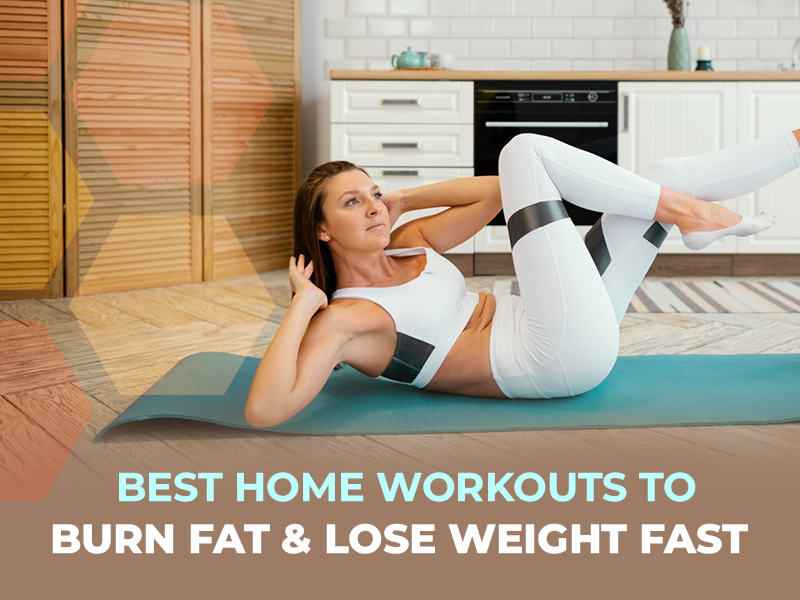
Fat-Burning Workouts You Can Do at Home
High-Impact Results Without a Gym Membership
You don’t need some fancy equipment or a 24-hour gym membership to burn fat effectively. With the right mix of high-intensity interval training, circuit training, and good old fashioned body weight exercises, you’re gonna get your heart rate up, torch those calories and build some lean muscle – all from your living room.
In this guide we’re gonna take a closer look at:
- How those fat-burning workouts actually work
- The best at-home training styles, and what makes them so effective
- Some example routines you can try, including different timing formats
- Intensity levels to suit your fitness level, from beginner to advanced
- A few tips to help you make the most of your results - and stay safe while you're at it
Let’s turn that living room of yours into your very own personal training zone.
How Fat-Burning Workouts Really Work
Fat loss just happens when your body is using up more energy than it’s taking in. Now there are certain types of workouts that give this process a bit of a boost by:
- Slapping your heart rate up into overdrive
- Getting multiple muscle groups working at the same time
- Cranking up that metabolism
- Giving you an "afterburn effect" where your body keeps burning off calories long after you've finished your workout
And workouts that combine strength training and cardio – like HIIT and circuits – these are real game-changers because they not only help you build muscle but also get you burning fat like crazy.
What Makes A Great Fat-Burning Workout At Home?
A good routine always has to include a few key things:
- Heavy duty moves like squats, lunges and push-ups
- Just a little rest between sets, not a lot of time to catch your breath
- Intervals that push you to give it your all, then let you catch your breath for just a bit before going again
- A full body workout that gets all of your big muscle groups in on the action
- A way to crank up the intensity, even if you're not in top shape yet
You can play around with how fast you move, how many times you do things and how long you rest to make sure you’re pushing yourself but not going too far.
Workout Style #1: Interval Training - High-Intensity Sprinting
What Is Interval Training All About?
Interval training is a workout that cycles between working out as hard as you can and resting for just a little while. It keeps your heart pumping the whole time and gives you just enough time to catch your breath to go again.
A Sample High-Intensity Interval Workout To Try (20 Minutes)
Format:
- Do your most intense version of an exercise for 40 seconds
- Then rest easy for 20 seconds
- Then do it all over again 3 times
- Then do it all over again 3 times
Exercises:
- Marching on the spot or jogging in place
- Squatting as low as you can
- Doing push-ups on your knees or on the ground
- High knees like you're running in place
- Holding a plank as steady as you can
Intensity Levels:
- If you're starting out, you can march instead of jog and take it easier on the squats
- If you're a bit further along, you can try moving your arms or legs a bit faster, or go a little deeper on your squats
- If you're a real fitness pro, you can try adding some extra oomph to your moves, like jumping or explosive push-ups
Workout Style #2: HIIT (High-Intensity Interval Training) - Burn Those Calories Fast
What Makes HIIT Such A Great Way To Get Fit?
HIIT is all about throwing yourself into a workout as hard as you can, then backing right off for just a second before doing it all again. They’re not long, but they pack a punch in the best way.
You can expect:
- A really fast calorie burn that's hard to beat
- A huge improvement in your cardiovascular fitness from all that running around
- You'll be retaining a lot of your muscle mass too
- Best of all, they're super quick - as short as 15-30 minutes
A Sample HIIT Workout To Try (15 Minutes)
Format:
- Go all out for 30 seconds
- Take 15 seconds rest when you're done
- Do it all 4 times
Exercises:
- Jumping squats that'll get your heart rate up
- Moving like a mad person in mountain climber pose
- Burpees that throw you from a squat all the way up to a push-up
- Running in place and throwing in a little side-to-side step
- Pushing yourself up and over to tap your shoulder with your hand
Intensity Levels:
- If you're just starting, you can try stepping back on your burpees and slowing down on those mountain climbers a bit
- If you're getting a bit better, then you can try doing it at a normal pace
- If you're a true pro, you can try adding in some extra tricks like tuck jumps or super-fast movements
Workout Style #3 - Circuit Training
What is Circuit Training Anyway?
Circuit workouts are where you move through a series of exercises one after the other with hardly any time to rest, training different muscle groups while getting your heart rate up. They’re perfect for:
- Building real strength
- Improving your endurance and stamina
- Shredding fat
- And let's be honest - they're a great way to avoid getting bored with your workouts
A Full-Body Circuit Workout (Try This in 25 Minutes)
Here's the format:
- Each exercise gets 45 seconds of your time
- Take 15 seconds to rest and catch your breath
- Do it all 3 to 4 times through
Here are the exercises you'll be doing:
- Reverse lunges
- Good old fashioned push-ups
- Glute bridges - don't forget those all important lower abs!
- Plank shoulder taps - engage that core!
- Body-weight rows using a sturdy table or a resistance band
- Jumping rope (or just pretend to skip rope if you don't have access to the real thing)
What level of intensity you tackle it at is up to you:
- Beginners: start with fewer rounds and take more breaks
- Intermediate: try to speed up your transitions
- Advanced: go big by adding weights or speeding up your pace
Options for a Low-Impact Workout
Not everyone can handle high-impact moves – and that’s okay. If you’re a beginner or you’re worried about putting extra stress on your joints there’s still plenty of ways to get your blood pumping.
A Low-Impact Cardio Circuit (Try This in 20 Minutes)
Here’s what you’ll be doing:
- Step-outs
- Chair squats (remember to keep your back straight!)
- Standing knee drives - keep it smooth
- Wall push-ups (don't worry, you won't hurt your back on the wall)
- Marching glute kicks - keep that core engaged
Just keep moving and focus on squeezing those muscles at the top of each rep.
How Long Should Your Home Workouts Actually Be?
You don’t need to commit to hours on end to see results. Most effective routines fall into a pretty narrow window:
- 15 to 30 minutes for HIIT
- 20 to 40 minutes for circuits or intervals
Aim to do 3 to 5 sessions a week, paired with a good strength training routine and healthy eating.
How to Get Better Over Time
Progression is key if you want to see progress. Try:
- Reducing how much rest you take between exercises
- Increasing the length of the work parts of your exercises
- Adding more reps or rounds to each exercise
- Using household weights (like water bottles or a loaded backpack)
- Slowing down your movements to get more out of each rep
- You'd be surprised how much of a difference these small upgrades can make.
Safety First When Training at Home
Before you start, make sure you’ve warmed up properly for 5 minutes (go for a light jog, do some arm circles or hip openers)
- Clear your space to avoid tripping over anything
- Wear supportive shoes if you're going to be jumping around
- Focus on getting good form over speed (it's worth the extra time spent)
- Cool down afterwards and stretch out those muscles
- If you start to feel dizzy or experience sharp pain - stop and rest up.
Pair Workouts With Smarter Nutrition
Fat burning workouts really come alive when paired with balanced meals that have a good mix of protein, carbs, and all the good fats
- You need plenty of water
- Don't skimp on sleep - you'll be much more effective when you are well rested
- Consistent movement every day can make a huge difference
Exercise is pretty powerful but, to be honest, it’s just one part of the overall picture – you need to have a balanced lifestyle too.
Sample Weekly Home Fat Burn Plan
- Day 1: I'm a big fan of HIIT
- Day 2: Circuit training is also really great
- Day 3: Take a rest day - or do some mobility work if you feel like it
- Day 4: Interval cardio - gets the heart rate up
- Day 5: A full body strength circuit that really challenges you
- Day 6: Something really low impact today, like yoga
- Day 7: another rest day
This mix keeps things interesting and stops you burning out, while also keeping you steadily on track.
The Bottom Line
Homeworkout workouts for fat loss are a breeze – they’re easy to do, don’t need a fancy gym membership, and can be done by anyone
Just stick to a routine that:
- Gets your heart rate up
- Challenges you physically
- Fits in with your schedule
- Is something you can see getting better at every single week
Consistency always beats perfection when it comes to making progress.
Ready to sweat smarter from the comfort of your own home? Check out our blog for loads more workout routines, top tips on nutrition, wellness guides and all sorts of other stuff to help you kickstart your fitness journey today