


Blog
Yoga for Beginners: Where to Start and What to Expect
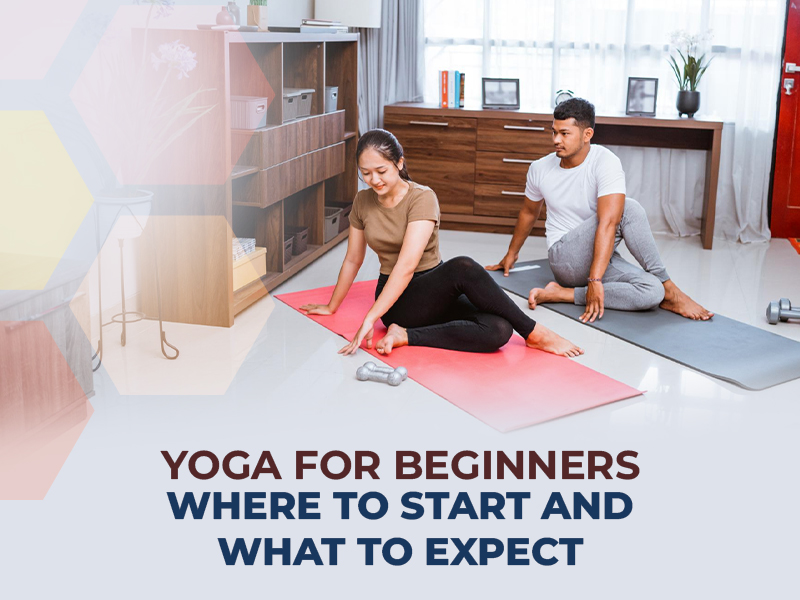
Yoga for Beginners: Where to Start and What to Expect
A Simple, Stress-Free Guide to Beginning Your Yoga Journey
Getting into yoga can be downright intimidating – those bendy folks on social media, unfamiliar pose names, and quiet studios might make you wonder if you really belong. The fact is yoga is for everyone. You don’t need to be a super bendy athlete or some sort of spiritual guru to get started. You just need to be curious and willing to move and breathe.
This beginner-friendly guide is going to walk you through the basics:
- What yoga is all about
- The benefits you can expect to see
- What you need to get started
- How often you should head into a studio
- What a first session will be like
- Common mistakes to avoid along the way
- Tips to keep you coming back for more
Lets make your first steps into yoga as confident and enjoyable as possible.
What Is Yoga, Really?
Yoga is a mind body practice that brings together three main things:
- Moving your body through physical postures (asanas) to build strength and flexibility
- Controlling your breath through breathing techniques (pranayama) to calm your nervous system down
- Focusing your mind through mindfulness or meditation to improve your concentration and reduce stress
While yoga has roots that go way back, the way we practice today often puts a focus on movement, fitness and mental well-being. Some yoga styles are super gentle and slow, others are more athletic and flowy – but all are about helping you feel better in your body and mind.
Benefits Beginners Often Notice Right Away
You don’t have to wait months to start feeling the effects. Loads of beginners experience:
- Reduced stress and anxiety
- Better posture and a better sense of their body
- Increased flexibility
- Improved balance
- Stronger muscles
- Better sleep
- A calmer mind
And with time, yoga can also help with joint health, breathing capacity and just general mobility in everyday life.
What Do You Need to Get Going?
One of yoga’s best features is its simplicity.
Essentials:
- A yoga mat or a nice non-slip surface to practice on
- Some comfy, stretchy clothes to move in
- A quiet space to call your own
- Water within reach
Helpful extras ( but not necessary):
- Yoga blocks or thick books to help you modify poses
- A folded blanket or a pillow to support you
- A strap or towel to make things a bit easier
These props make poses more accessible – not easier in a bad way, but safer and more supportive.
How Often Should Beginners Practice?
Start with what feels realistic for you:
- 2-3 times a week is a great place to start for beginners
- 10-20 minutes a day can be just as effective, if not more so
Consistency is the key here. Doing a short, regular practice will get you into the swing of things much faster than trying to squeeze in long sessions occasionally.
What to Expect in Your First Yoga Session
A beginner yoga class or home practice usually follows a gentle structure:
1. Breathing & Centering
You’ll begin seated or lying down, focusing on slow breaths to calm your mind and bring attention inward.
2. Warm-Up Movements
Gentle motions prepare your joints and muscles:
- Neck and shoulder rolls
- Cat–Cow stretches
- Hip circles
- Easy twists
This helps prevent strain and makes deeper poses feel safer.
3. Basic Yoga Poses
You’ll practice foundational postures such as:
- Downward-facing dog
- Mountain pose
- Warrior poses
- Child’s pose
- Cobra or upward-facing dog
- Forward folds
- Don’t worry about how they look—focus on how they feel in your body.
4. Cool-Down & Stretching
- Slower poses help release tension and bring your heart rate down.
5. Relaxation (Savasana)
- Most sessions end with lying quietly for a few minutes. This isn’t wasted time—it’s where your body absorbs the benefits of practice.
What Yoga Is Not
Many beginners come in with misconceptions:
- ❌ You don’t need to touch your toes
- ❌ You don’t need fancy clothes
- ❌ You don’t need to be thin or young
- ❌ You don’t need perfect balance
- ❌ You don’t need to be calm already
Yoga meets you where you are.
Common Beginner Mistakes to Avoid
Doing Too Much Too Soon
- Trying advanced poses immediately can lead to soreness or injury. Build slowly.
Holding Your Breath
- Breathing is central to yoga. If you can’t breathe smoothly, ease out of the pose.
Comparing Yourself to Others
- Everyone’s body is different. Progress is personal.
Skipping Warm-Ups or Relaxation
- These parts protect your body and calm your nervous system.
Pushing Through Pain
- Stretching discomfort is okay; sharp pain is not. Back off when needed.
Choosing the Right Style as a Beginner
If you’re overwhelmed by options, look for classes labeled:
- Beginner yoga
- Gentle yoga
- Hatha yoga
- Slow flow
- Restorative yoga
- These typically move at a manageable pace and explain poses clearly.
Tips for Staying Consistent
- Motivation comes and goes—habits last.
- Practicing at the same time each day
- Keeping your mat visible
- Starting with short sessions
- Using guided beginner videos
- Tracking your streak on a calendar
- Focusing on how you feel, not how you look
Some days will be energizing. Others will be stiff or slow. Both count.
How Long Before You See Results?
Everyone is different, but with regular practice many beginners notice:
- Reduced stiffness in 1–2 weeks
- Better balance and posture in a month
- Increased strength and flexibility over several months
- Long-term stress reduction with continued practice
Yoga rewards patience.
The Final Word
Starting yoga isn’t about being a pro – it’s really about getting to know your body, your breath, and your own mind.
- Begin with a gentle, manageable approach.
- Ease into it - don’t push yourself too hard.
- Take deep breaths - let them calm you down.
- And stick to it - even when it feels tough.
- Over time, the focus shifts from what you're capable of on the mat to how you feel when you leave it and go about your day.
Time to Get Rolling
Ready to give yoga a try?
Head on over to our blog and check out our beginner-friendly yoga routines, flexibility tips, and wellness advice – and take that first step towards a more relaxed, more balanced you – today, and start feeling the difference for yourself.